GHK-Cu
What does copper peptide research say about skin texture, firmness, and the appearance of fine lines?

VitaPep Learn
What is each peptide known for? How do the formulas differ? And what does the research actually show? Find straightforward answers, compare the details, and get to know your serum before you use it.
Start with your peptide
Follow the guide for the peptide you are considering, then open the product page for its exact strength, ingredients, and directions.
What does copper peptide research say about skin texture, firmness, and the appearance of fine lines?
Understand BPC-157 Arginate, the research behind the name, and what is known about topical use.
TB-500 and thymosin beta-4 are not interchangeable. Learn why that difference matters when reading a study or label.
Get to know this three-amino-acid peptide, its skin research, and the questions a finished topical formula still needs to answer.
Why a topical PT-141 serum is different from prescription bremelanotide injection—and why evidence cannot simply be carried across.
The base matters, too. Learn what DMSO does in select formulas and what “absorption-enhanced” does—and does not—tell you.
Not sure where to start?
See the five current formulas side by side by peptide identity, listed amount, carrier, applicator, testing documentation, and evidence context.
The comparison separates product facts from research findings so you can choose by the information that is actually documented.
Practical guidance

Ingredient labels
Separate laboratory findings, limited human topical evidence, visible skin qualities, delivery questions, and finished-formula claims.
Read the guide
Using a product
A practical checklist for format, application area, amount, frequency, storage, and cautions.
Read the guide
Product information
Learn what to look for in sample identity, batch details, methods, units, results, and document scope.
Read the guide
Peptide research
Learn what BPC-157 Arginate means, how it differs from forms reviewed in published research, and what topical evidence has not established.
Read the guide
Peptide research
Compare TB-500 with full-length thymosin beta-4, including sequence, evidence, topical relevance, and the limits of product claims.
Read the guide
Peptide research
Understand KPV peptide identity, cell and skin-delivery research, formulation questions, and what remains unproven for topical serums.
Read the guide
Peptide research
Understand PT-141 and bremelanotide, the prescription injection evidence, route-specific safety findings, and what remains unknown for topical serums.
Read the guide
Formula science
Learn how DMSO can function as a solvent and penetration enhancer, what absorption-enhanced means, and what a carrier cannot prove.
Read the guide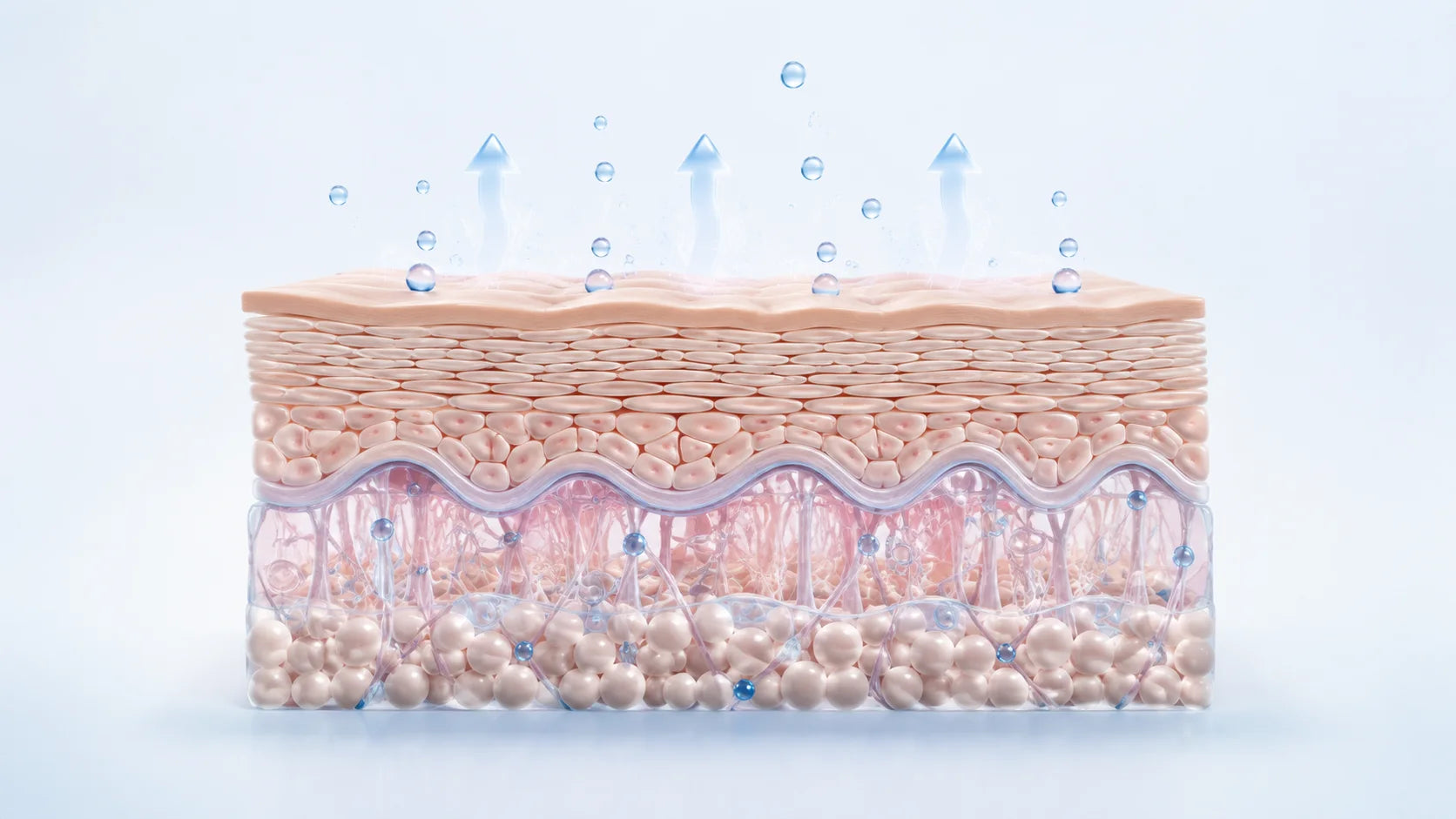
Skin science
Understand TEWL, why it varies by body site, and why one measurement cannot define every person’s skin barrier.
Read the guide
Daily routine
A practical, evidence-based sunscreen checklist for protecting exposed skin while using a topical routine.
Read the guide
Product information
Learn how FDA describes the line between appearance-focused cosmetic claims and claims that can make a product a drug.
Read the guide
Ingredient labels
Use a repeatable checklist to compare ingredient lists, product names, directions, and the evidence behind a formula.
Read the guide
Research literacy
Learn how sample size, controls, endpoints, and study conditions affect what a topical skincare study can support.
Read the guide
Formula science
Understand why concentration, stability, vehicle, contact time, and skin delivery shape the relevance of ingredient research.
Read the guide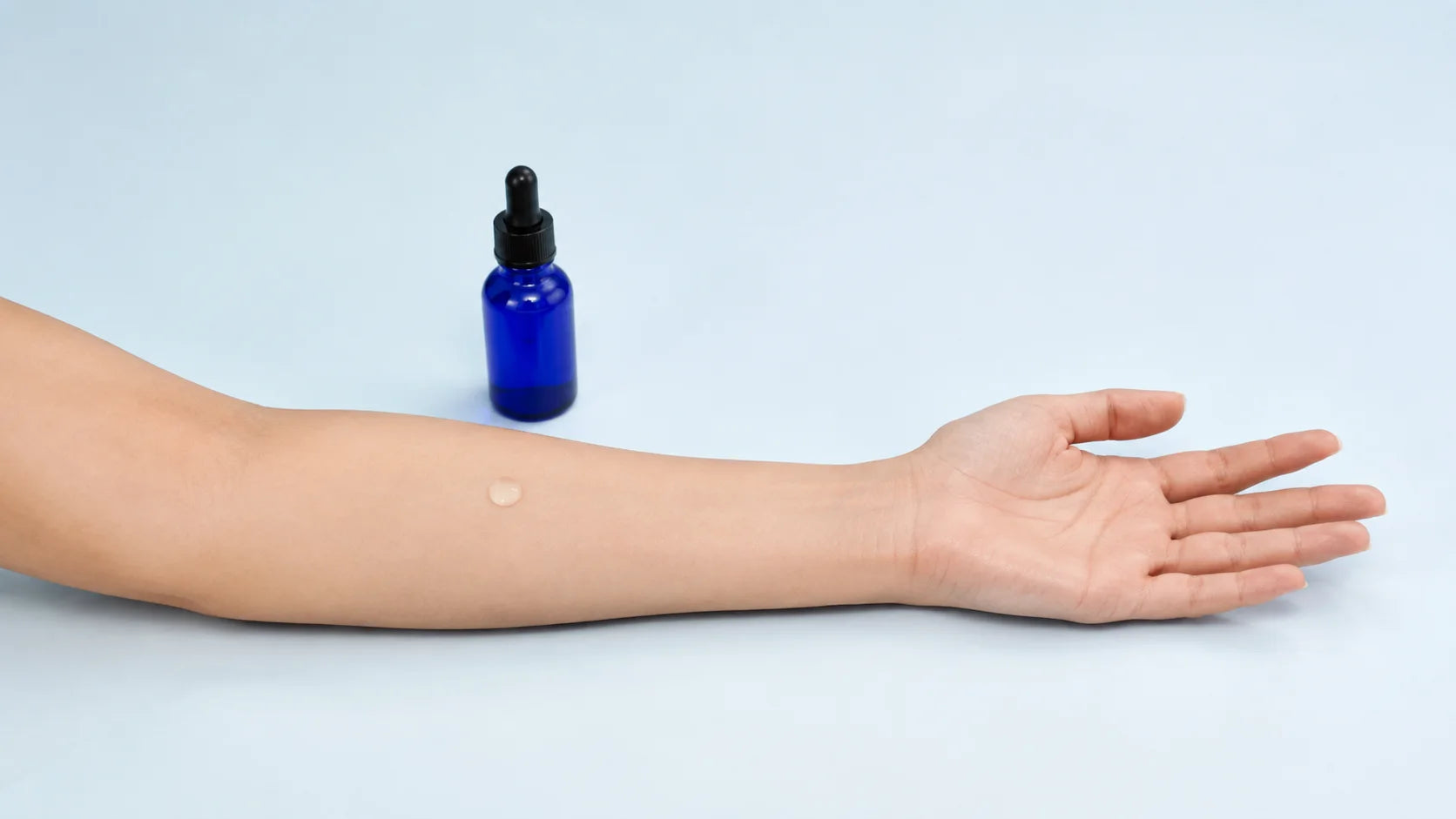
Using a product
A cautious, general patch-test framework for introducing a new topical cosmetic, with clear limits on what it can predict.
Read the guide
Using a product
Learn why storage instructions, closure, light, temperature, and product changes matter for a topical serum.
Read the guide
Research literacy
A practical hierarchy for weighing laboratory studies, delivery research, observational data, and controlled human trials.
Read the guide
Product information
Read a certificate or lab report with the right questions about sample identity, batch, method, units, and scope.
Read the guideHow we write
We explain the product first: what is inside, how much is included, how it is applied, and what documentation is available. Research comes next, with the study type and administration route kept clear so early findings are not presented as guaranteed results.
We do not treat an ingredient name, a technical value, or a testing document as proof of a medical benefit or a guaranteed individual result.